
-
Empty cart
No products in the cart.
Return to Shop
Description
Description
Overview
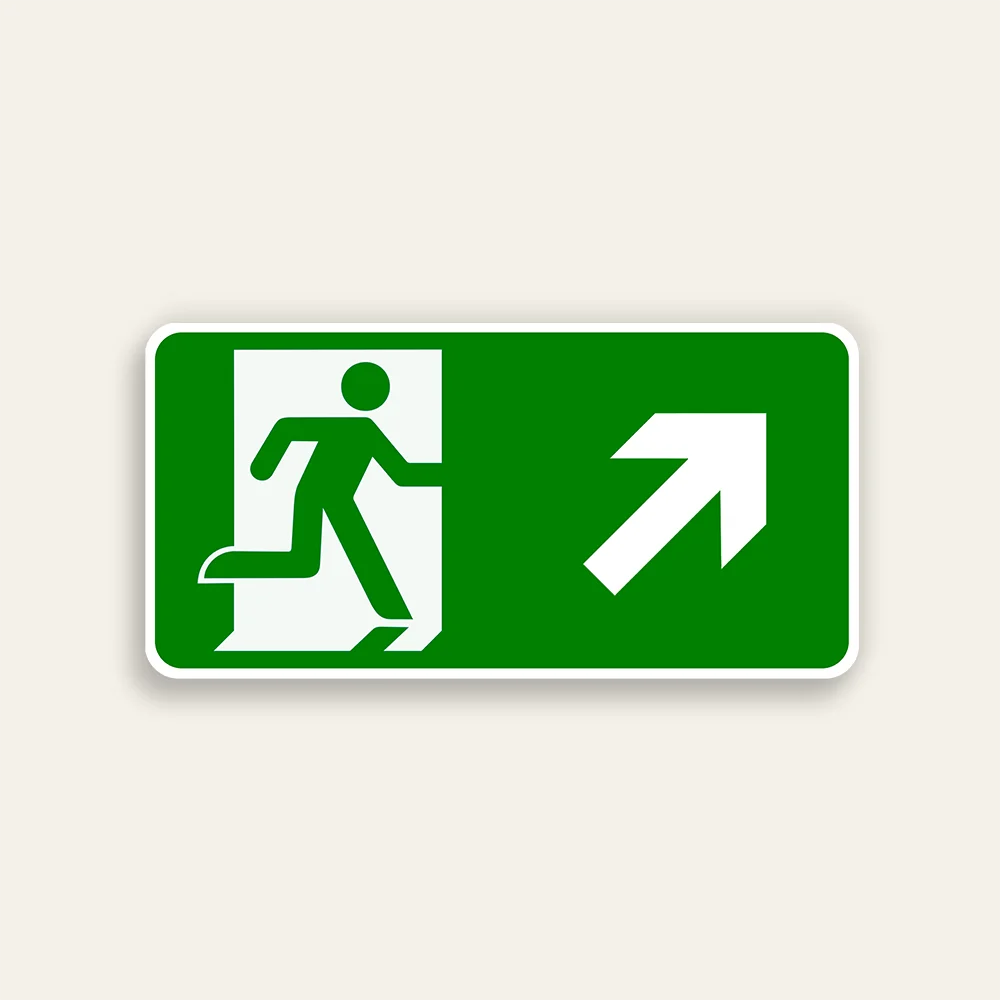
This 14″ × 7″ horizontal sign features a bold white up-right arrow on the right half of a full-bleed green panel, with the ISO 7010 running figure and white door silhouette positioned on the left half. The figure-left layout creates a natural compositional alignment — the running figure faces rightward toward the arrow, with both elements tracking toward the same upper-right destination. This visual coherence between pictogram and arrow produces a stronger directional reading than layouts where the figure and arrow face opposing directions, making the egress instruction immediately intuitive.
This sign serves the ascending rightward egress scenario. In Los Angeles commercial buildings with below-grade levels, basement parking structures, lower-floor retail or event spaces, and sub-floor mechanical areas, occupants approaching a staircase that ascends to the right need this specific diagonal combination to navigate accurately. A horizontal right arrow at the base of an ascending staircase tells only half the story — this sign communicates the complete spatial instruction in a single glance, directing both the lateral and vertical components of the egress path without any text.
Key Features & Benefits
- Figure-left, arrow-right layout aligns the pictogram’s movement with the arrow’s direction — the running figure faces and moves toward the up-right arrow, creating a unified visual flow that reinforces the directional instruction through two mutually confirming graphic elements.
- Up-right arrow distinguishes ascending rightward travel from flat rightward travel — for occupants at the base of a staircase tracking right, this diagonal arrow removes the ambiguity of a flat horizontal arrow by explicitly communicating that the route involves elevation gain.
- Layout with figure on left and arrow on right reads as a distinct visual composition at distance — the overall weight distribution differs from left-side arrow variants, reducing confusion when multiple directional signs are visible simultaneously in a complex floor plan.
- Text-free design eliminates language barriers in below-grade and basement environments — no written language ensures the egress instruction communicates universally across all occupant language backgrounds.
- Diagonal arrow distinguishes ascending from horizontal rightward travel — occupants at the base of a right-side ascending staircase need this diagonal specifically; a horizontal right arrow would be spatially inaccurate about whether elevation change is involved.
- Full-bleed green background maintains safe-condition identification in low-ambient-light spaces — basement levels and below-grade parking structures often have reduced natural light; the all-green field establishes the sign’s egress category before arrow direction is resolved.
- Compact 14″ × 7″ format suits stairwell base walls and low-ceiling basement corridor mounting — the horizontal panel fits efficiently in the constrained wall space typically available at the base of ascending staircases.
- Reflective option essential for below-grade and parking structure applications — reflective white elements on green maintain arrow visibility under emergency lighting and flashlights when building power fails.
Technical Specifications
- Size: 14″ × 7″
- Material: Maxmetal® (aluminum composite panel — rigid, lightweight, weather-resistant)
- Print Options:
- Standard: Digitally printed vinyl applied to Maxmetal®
- Reflective: Direct Digital print on reflective sheeting
- Mounting Options: Wall mount, stairwell base mount, basement corridor header mount (hardware not included)
- Corners: Rounded
- Use: Basement levels, below-grade parking structures, lower-floor retail and event spaces, and sub-floor mechanical areas requiring ascending rightward egress wayfinding — Los Angeles and Southern California
Additional information
Additional information
| Weight | 0.54 lbs |
|---|---|
| Dimensions | 14 × 7 × 0.12 in |
| Material | Maxmetal® Vinyl, Maxmetal® Reflective, PVC Vinyl, Coroplast Vinyl |
| Laminate | No, Matte |
Related Products
This product has multiple variants. The options may be chosen on the product page
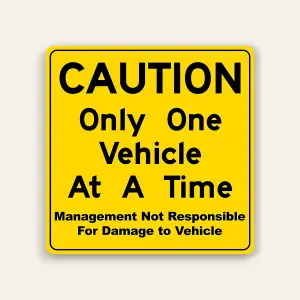
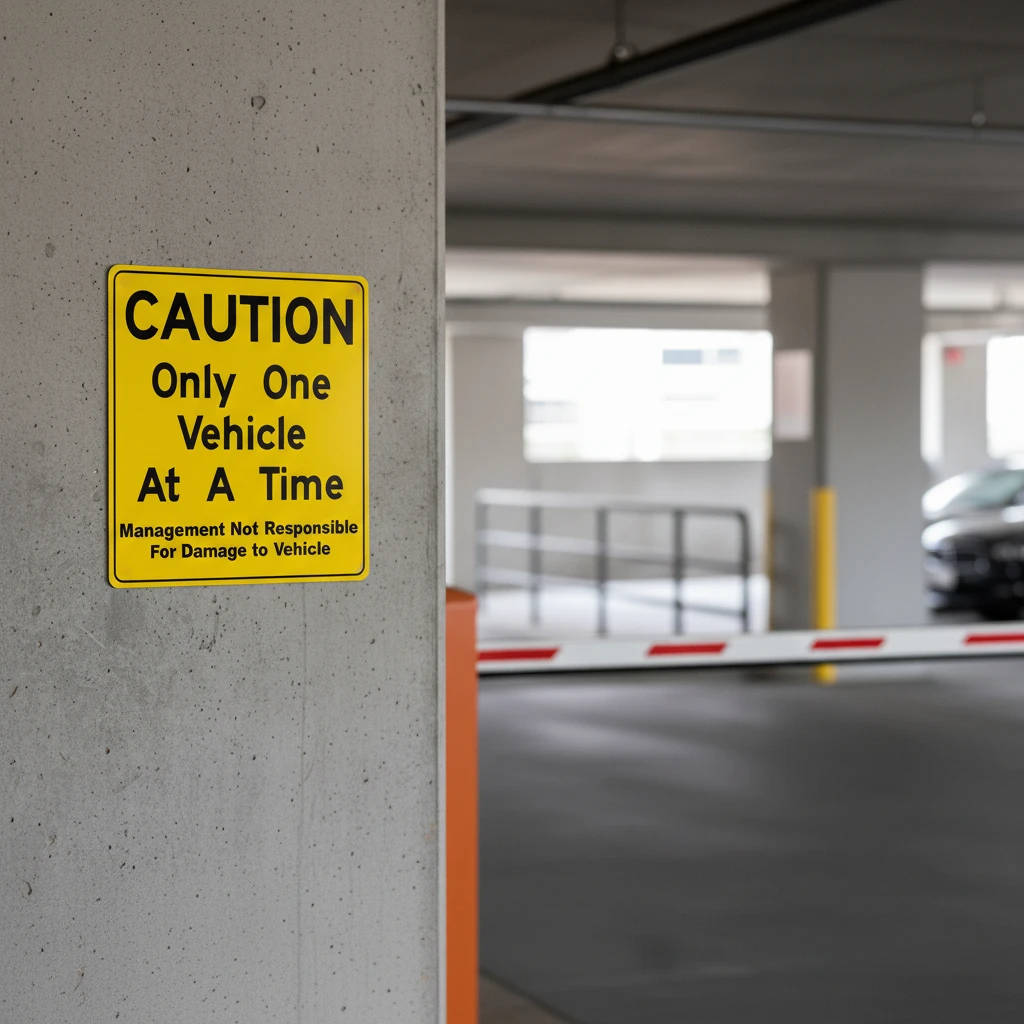
One Vehicle At A Time Gate Sign
Price range: $23.00 through $52.00Informs drivers that only one vehicle is allowed at a time and includes a liability notice. Ideal for gated communities, parking facilities, and commercial properties across Los Angeles. Helps prevent accidents and misuse.
This product has multiple variants. The options may be chosen on the product page
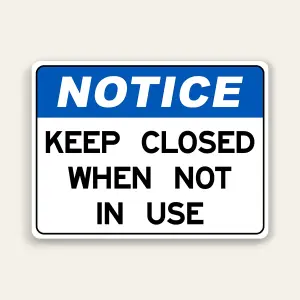
Keep Closed When Not in Use Sign
Price range: $20.00 through $45.00Reminds users to keep gates or doors closed when not in use. Ideal for residential buildings, commercial properties, and secured areas across Los Angeles. Helps maintain safety and control access.
This product has multiple variants. The options may be chosen on the product page
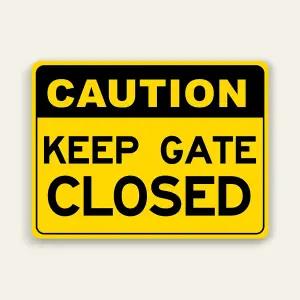
Caution Keep Gate Closed Sign
Price range: $20.00 through $45.00Reminds users to keep gates closed to maintain safety and controlled access. Ideal for residential communities, commercial properties, and restricted areas across Los Angeles. Helps prevent unauthorized entry and operational issues.
This product has multiple variants. The options may be chosen on the product page
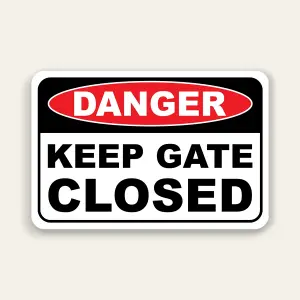
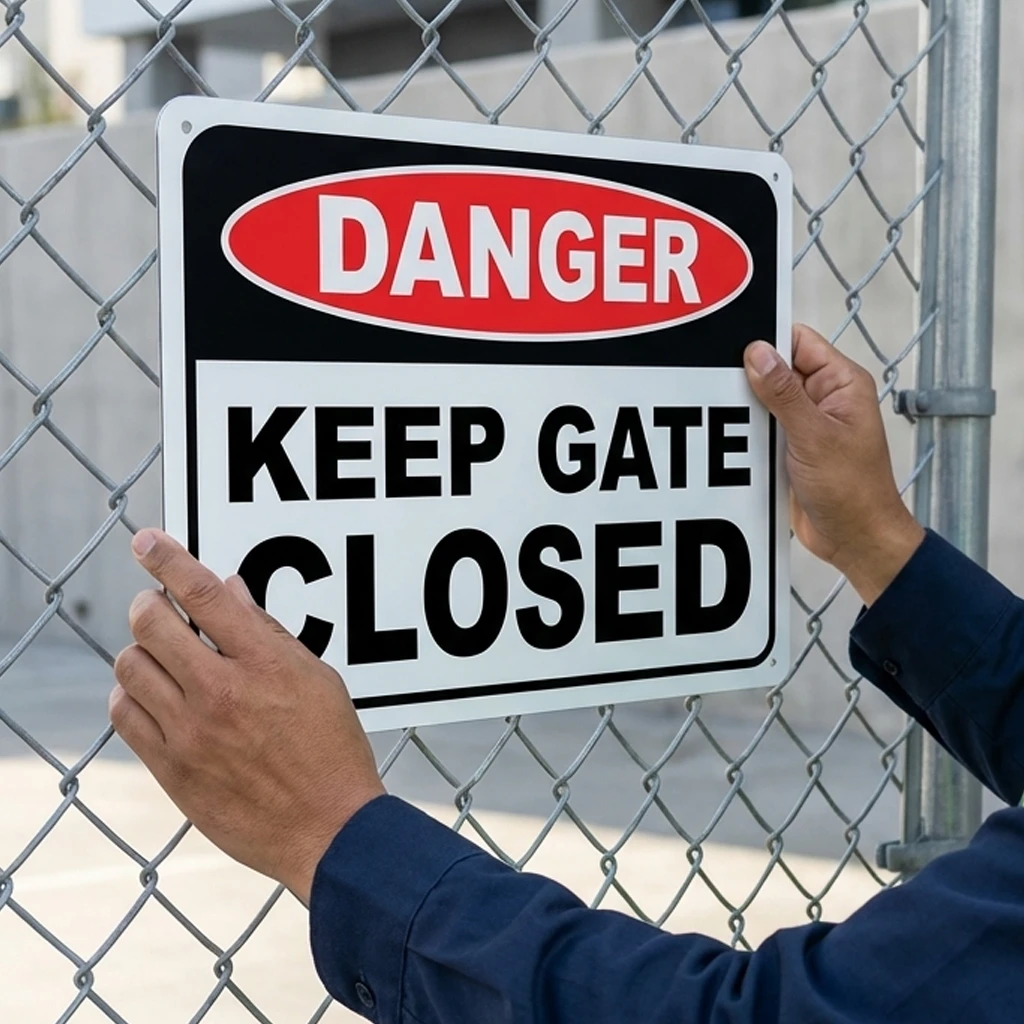
Danger Keep Gate Closed Sign
Price range: $15.00 through $33.00Alerts users to keep gates closed at all times to maintain security and safety. Ideal for residential complexes, commercial properties, and restricted access areas across Los Angeles. Helps prevent unauthorized entry and operational issues.
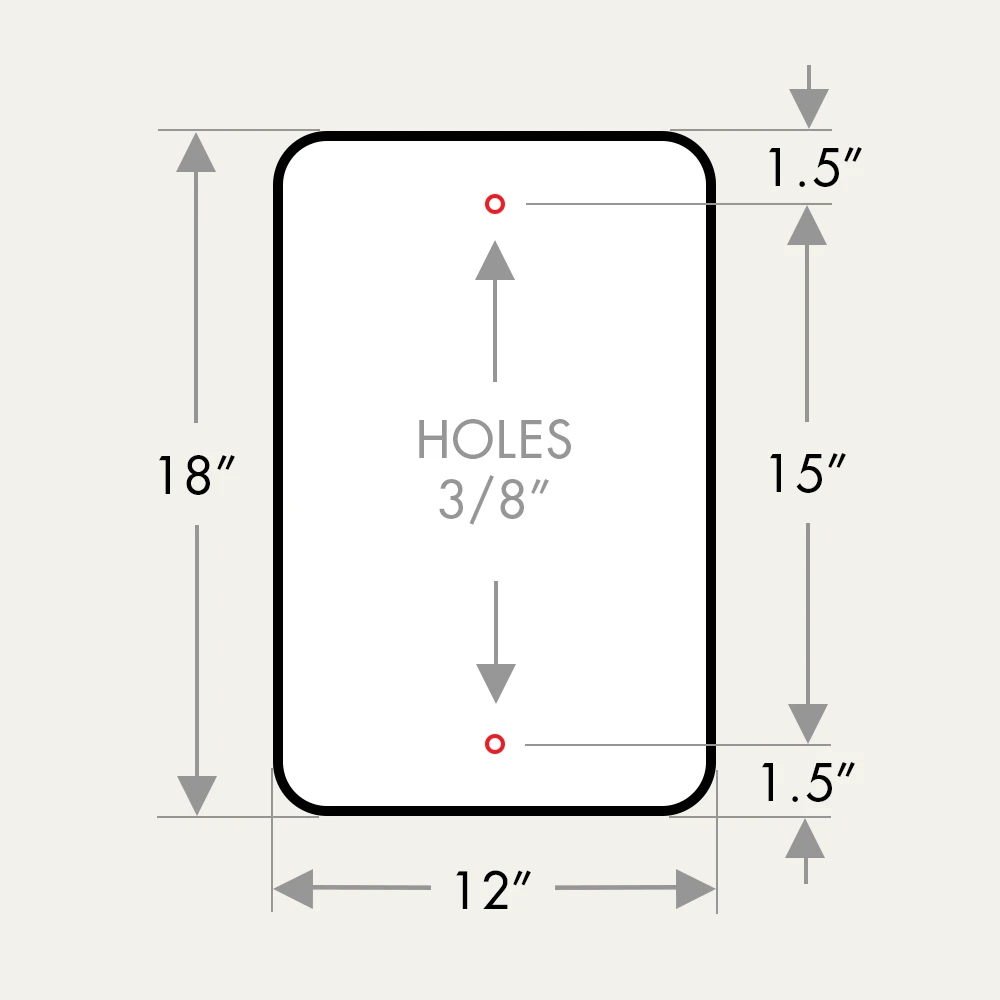
This product has multiple variants. The options may be chosen on the product page
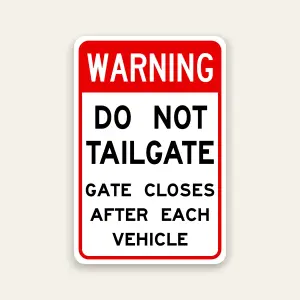
Do Not Tailgate Gate Security Sign
Price range: $15.00 through $33.00Prevents vehicles from following closely through gates and enforces controlled access. Used in gated communities, commercial properties, and secured facilities across Los Angeles. Helps maintain security and prevent unauthorized entry.
This product has multiple variants. The options may be chosen on the product page
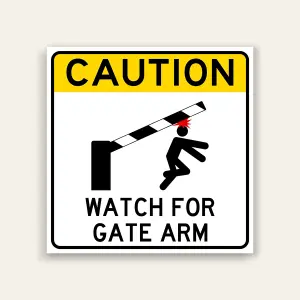
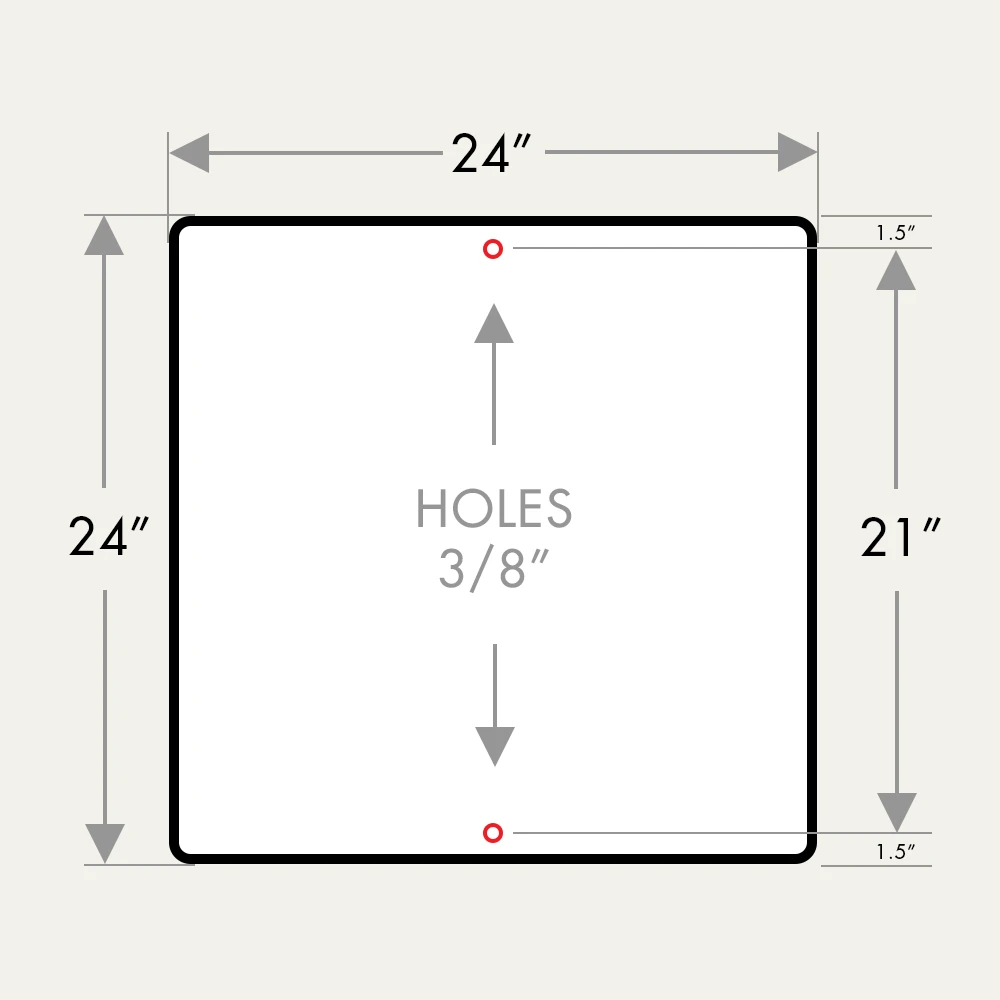
Caution Watch for Gate Arm Sign
Price range: $23.00 through $52.00Warns pedestrians and drivers to stay alert around moving gate arms. Ideal for parking entrances, gated communities, and commercial properties across Los Angeles. Helps prevent injuries and accidents.
This product has multiple variants. The options may be chosen on the product page
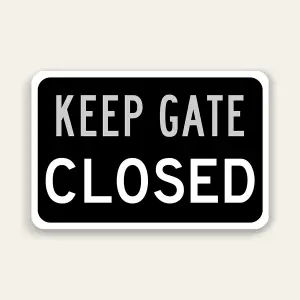
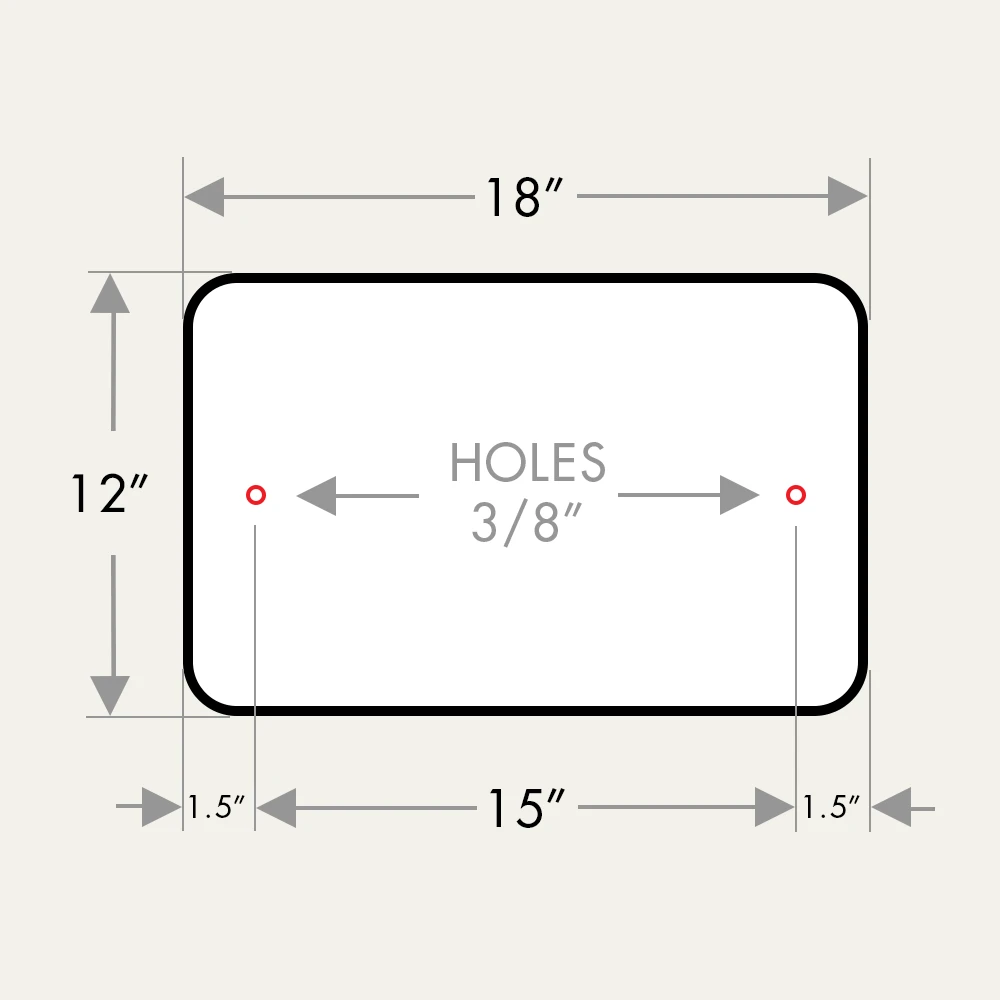
Keep Gate Closed Sign
Price range: $15.00 through $33.00Simple and clear instruction to keep gates closed. Ideal for residential properties, commercial facilities, and controlled access areas across Los Angeles. Helps maintain security and order.

This product has multiple variants. The options may be chosen on the product page
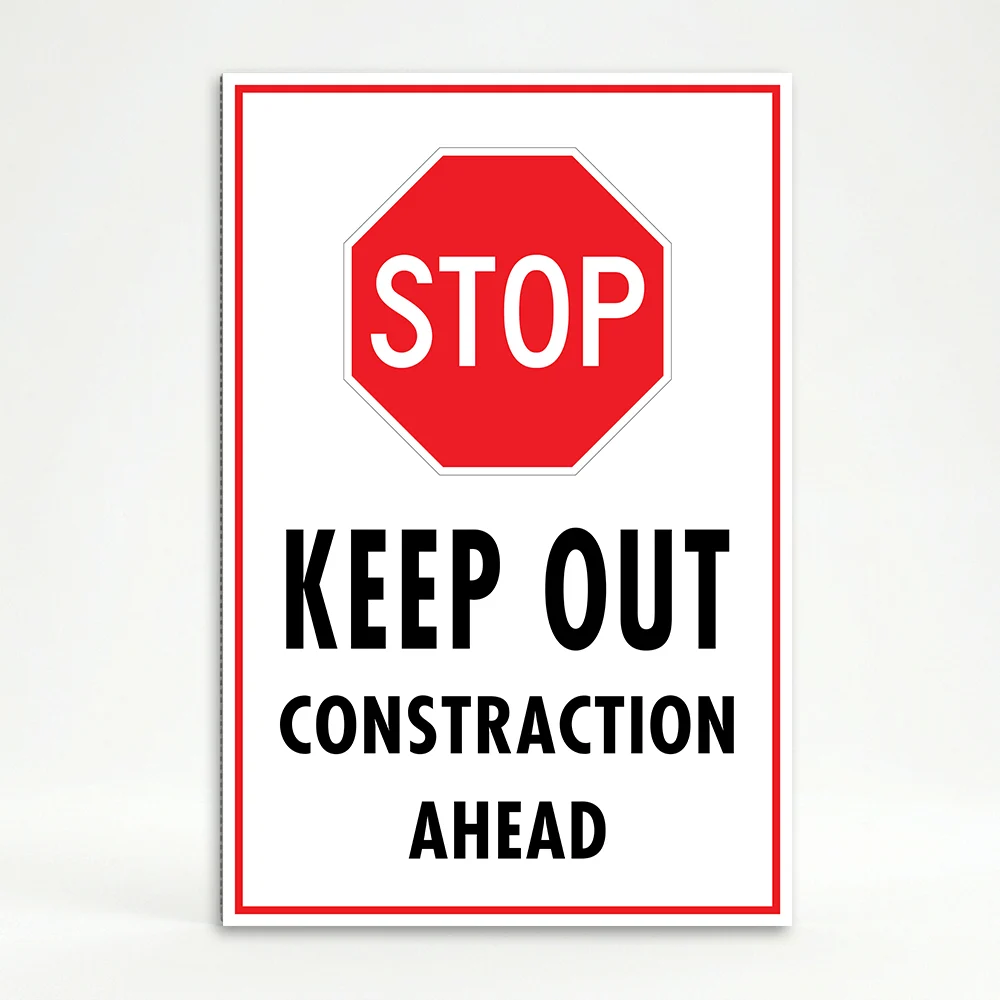
Stop Keep Out Construction Ahead Sign
Price range: $35.00 through $180.00High-visibility warning sign designed to restrict access and alert drivers or pedestrians to construction ahead.

This product has multiple variants. The options may be chosen on the product page
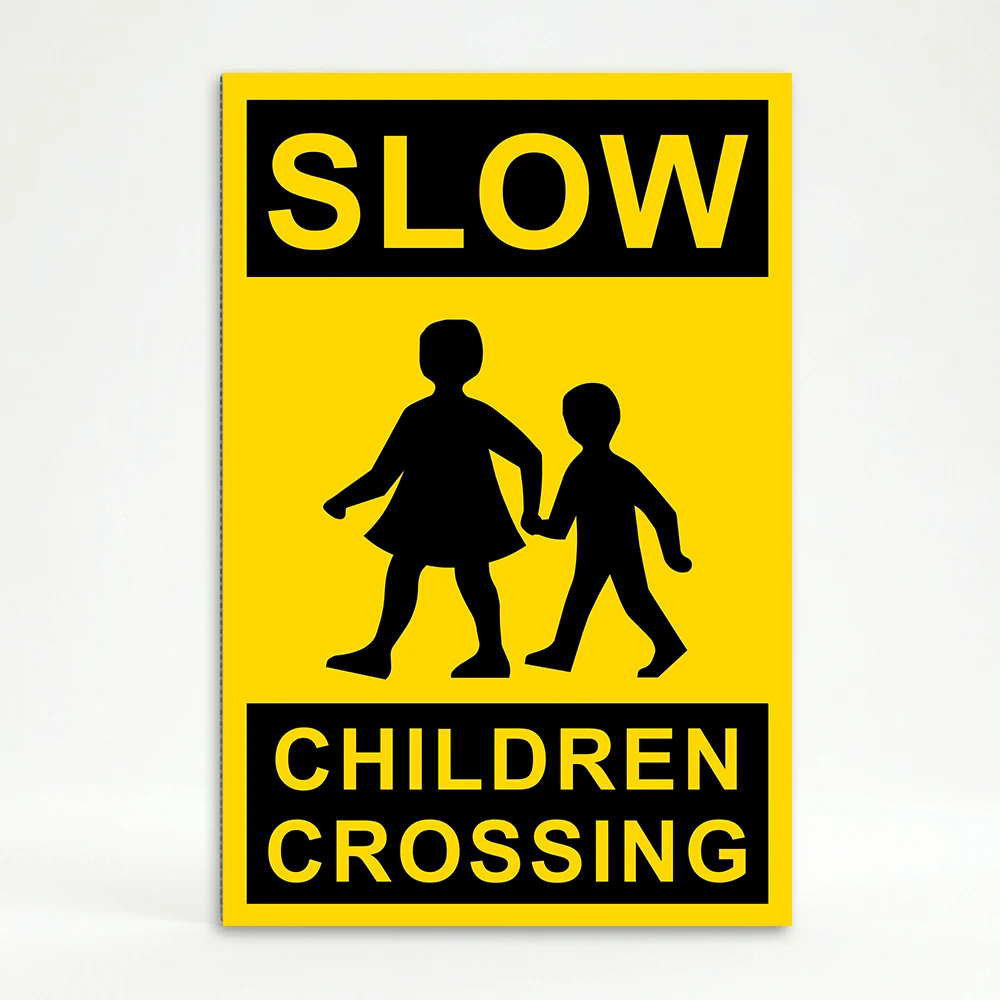
Slow Children Crossing
Price range: $35.00 through $180.00High-visibility safety sign designed for A-frame stand systems to alert drivers and reduce speed in child-active areas.
This product has multiple variants. The options may be chosen on the product page
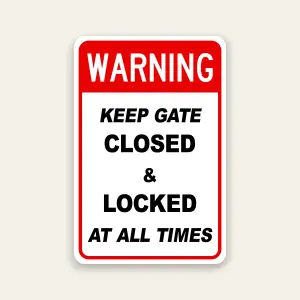
Warning Keep Gate Closed & Locked Sign
Price range: $15.00 through $33.00Ensures gates remain closed and secured at all times to maintain property safety and controlled access. Used in residential, commercial, and industrial properties across Los Angeles. Helps prevent unauthorized entry and security risks.
This product has multiple variants. The options may be chosen on the product page
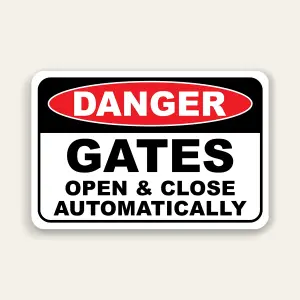
Danger Automatic Gate Sign
Price range: $15.00 through $33.00Warns that gates open and close automatically to prevent accidents. Ideal for gated communities, commercial properties, and secured facilities across Los Angeles. Improves safety and awareness at entry points.
This product has multiple variants. The options may be chosen on the product page
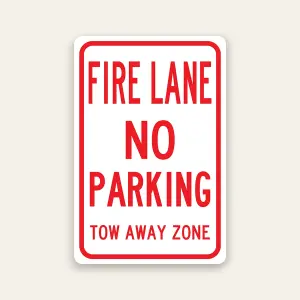
Fire Lane No Parking Tow Away Sign
Price range: $15.00 through $33.00Prevents parking in designated fire lanes and enforces immediate towing. Used in apartment complexes, commercial properties, and emergency access zones across Los Angeles. Keeps critical lanes clear for emergency vehicles.