
-
Empty cart
No products in the cart.
Return to Shop
Description
Description
Overview
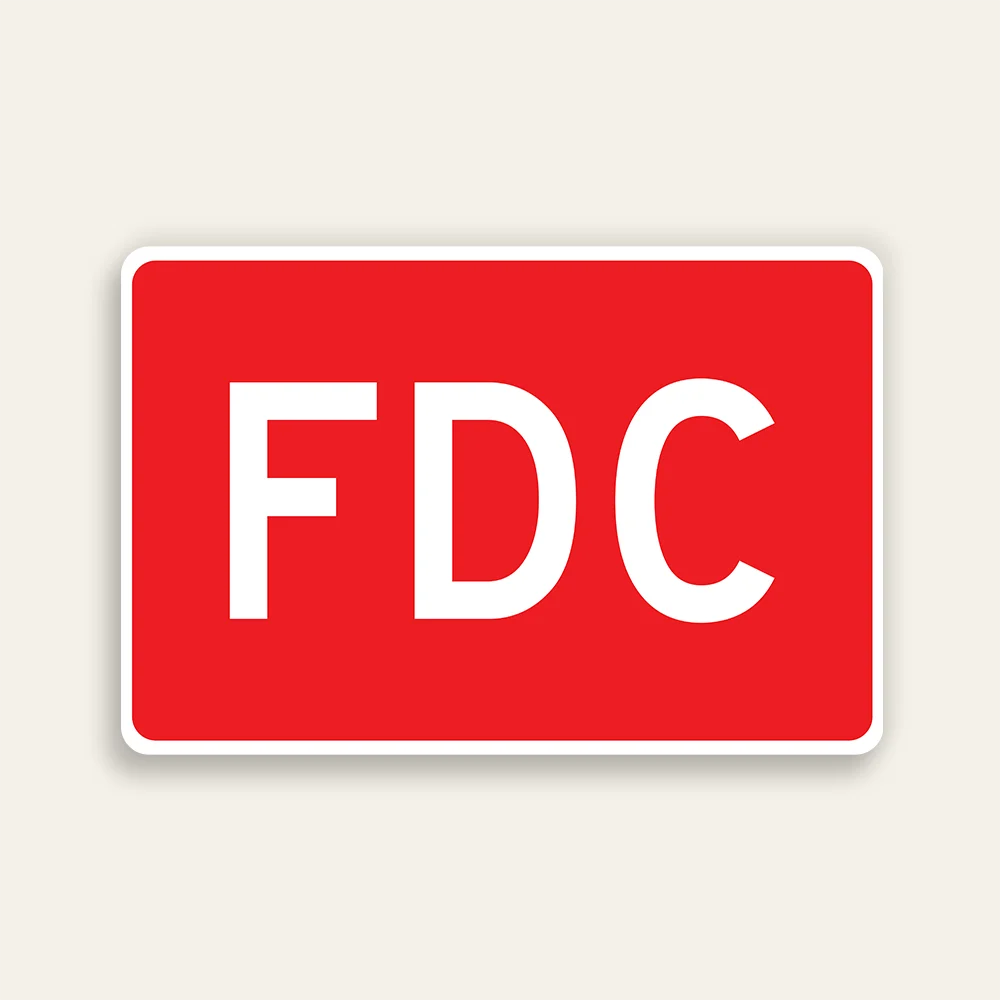
This 18″ × 12″ horizontal sign presents the same minimal FDC identification as the white-background variant but on a full-bleed red panel with no border — “FDC” in large bold white uppercase centered on a continuous red field that covers the entire panel surface edge to edge. The inversion from red-on-white to white-on-red transforms the sign from a labeled panel into a solid red visual object. At distance, before any letter is resolved, the sign reads as a red rectangle — a fire-infrastructure color block that stands out from every other posted sign, pipe label, and architectural element at the connection location. At closer range, the oversized white “FDC” delivers the inlet identification with the same immediate clarity as the white-background version, but from a greater initial recognition distance.
The full-bleed red background is the most visually dominant single-element FDC identification format in the series. For Los Angeles commercial properties where the FDC inlet is located in a visually busy environment — beside service entrances, adjacent to utility equipment panels, or on walls carrying multiple posted notices — the all-red panel cuts through that visual noise in a way that no white-background sign can match. The sign functions as both a color landmark and an identification label simultaneously, serving both roles from a single posted panel without requiring any supplementary directional or access signage at the connection point.
Key Features & Benefits
- Full-bleed red background makes this the most visually dominant FDC inlet label in the series — the solid red panel reads as a fire-infrastructure color landmark from the maximum possible approach distance, outperforming white-background signs in visually busy exterior wall environments.
- White-on-red “FDC” at maximum scale delivers instant identification — with no border and no secondary text consuming panel space, the three white letters are set at the largest possible scale within the 18″ × 12″ format, maximizing legibility under all lighting conditions.
- No border design eliminates every non-essential graphic element — the absence of a perimeter border gives “FDC” the full panel area, allowing the letters to fill the red field with maximum visual presence.
- Solid red field is immediately categorized as fire suppression infrastructure — no standard building-mounted sign outside the fire infrastructure category uses a full-bleed red background at this size, making category identification instantaneous for all personnel who encounter the sign.
- White-on-red contrast maintains readability under low-light and shadow conditions — at ground-level mounting heights where signs may be partially shaded, white text on a deep red field retains contrast that red text on white loses under the same conditions.
- Abbreviated format matches fire service shorthand — “FDC” is the universal abbreviation used by LAFD crews, inspectors, and building engineers; the abbreviated inlet label aligns with established fire service communication without requiring a longer label.
- Suits single-system buildings where maximum visibility is the primary posting priority — for straightforward single-inlet installations where the abbreviated label is operationally complete, this format prioritizes visual dominance over additional system information.
- Maxmetal® UV-stable construction maintains vivid red saturation through extended outdoor exposure — the red panel resists fading under Southern California’s intense sun cycles, remaining visually dominant through years of exterior wall mounting.
Technical Specifications
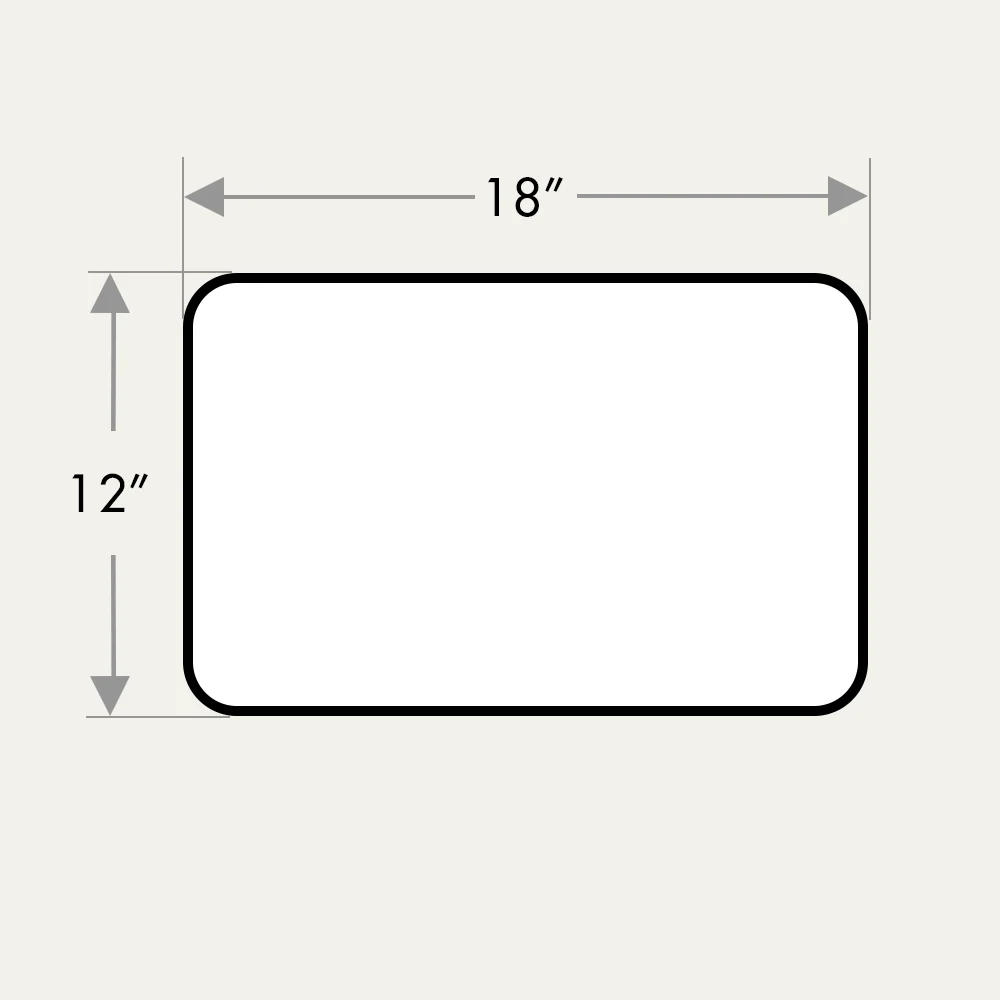
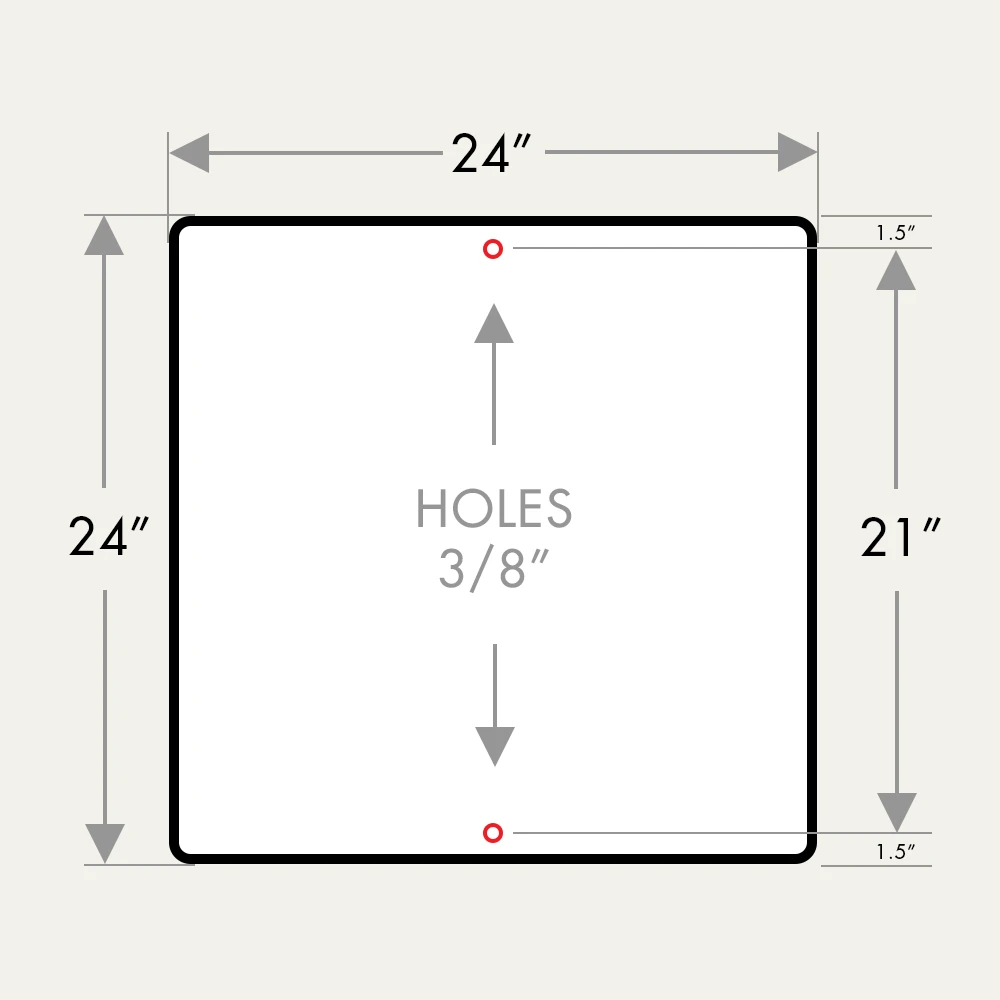
- Size: 18″ × 12″
- Material: Maxmetal® (aluminum composite panel — rigid, lightweight, weather-resistant)
- Print Options:
- Standard: Digitally printed vinyl applied to Maxmetal®
- Reflective: Direct Digital print on reflective sheeting
- Mounting Options: Wall mount, FDC housing mount, building exterior mount (hardware not included)
- Corners: Rounded
- Use: Direct mounting at FDC inlets on single-system commercial buildings requiring maximum-visibility inlet identification — Los Angeles and Southern California
Additional information
Additional information
| Weight | 1.2 lbs |
|---|---|
| Dimensions | 18 × 12 × 0.12 in |
| Material | Maxmetal® Vinyl, Maxmetal® Reflective, PVC Vinyl, Coroplast Vinyl |
| Laminate | No, Matte |
Related Products
This product has multiple variants. The options may be chosen on the product page
Keep Closed When Not in Use Sign
Price range: $20.00 through $45.00Reminds users to keep gates or doors closed when not in use. Ideal for residential buildings, commercial properties, and secured areas across Los Angeles. Helps maintain safety and control access.

This product has multiple variants. The options may be chosen on the product page
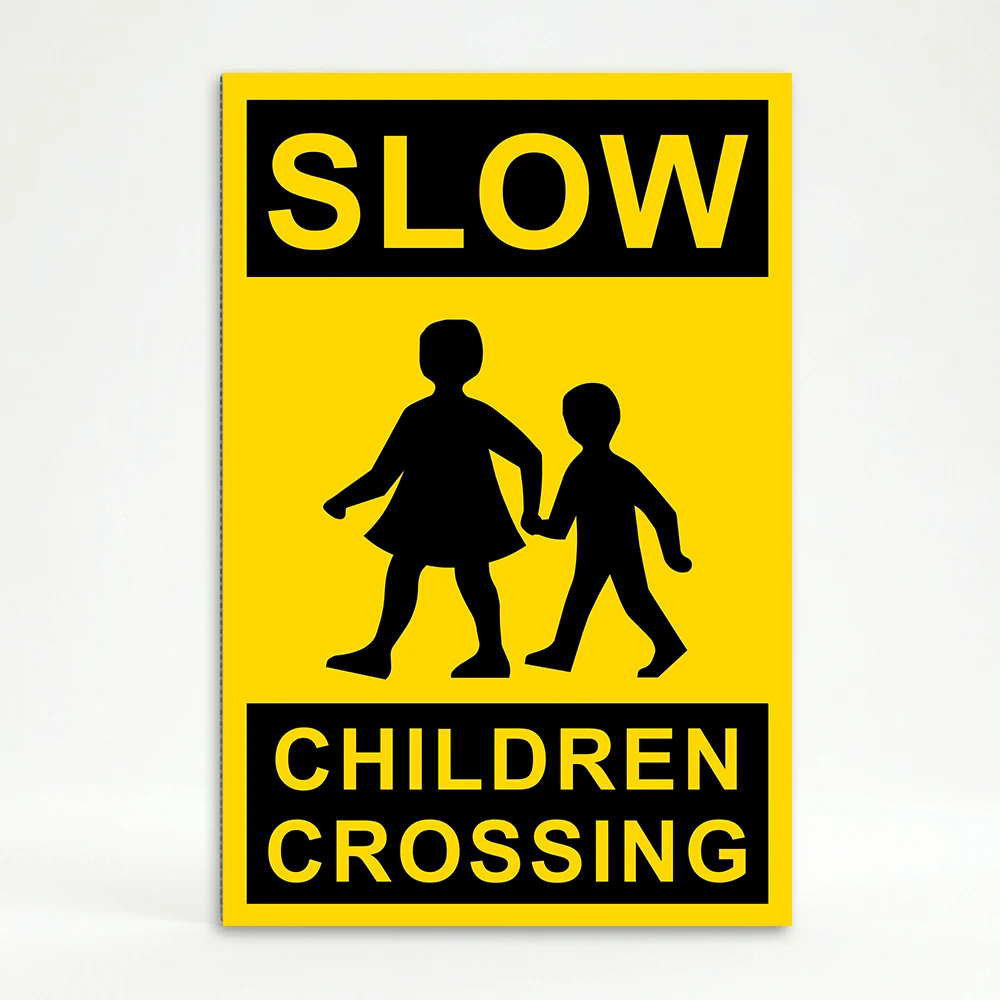
Slow Children Crossing
Price range: $35.00 through $180.00High-visibility safety sign designed for A-frame stand systems to alert drivers and reduce speed in child-active areas.
This product has multiple variants. The options may be chosen on the product page
Caution Keep Gate Closed Sign
Price range: $20.00 through $45.00Reminds users to keep gates closed to maintain safety and controlled access. Ideal for residential communities, commercial properties, and restricted areas across Los Angeles. Helps prevent unauthorized entry and operational issues.

This product has multiple variants. The options may be chosen on the product page
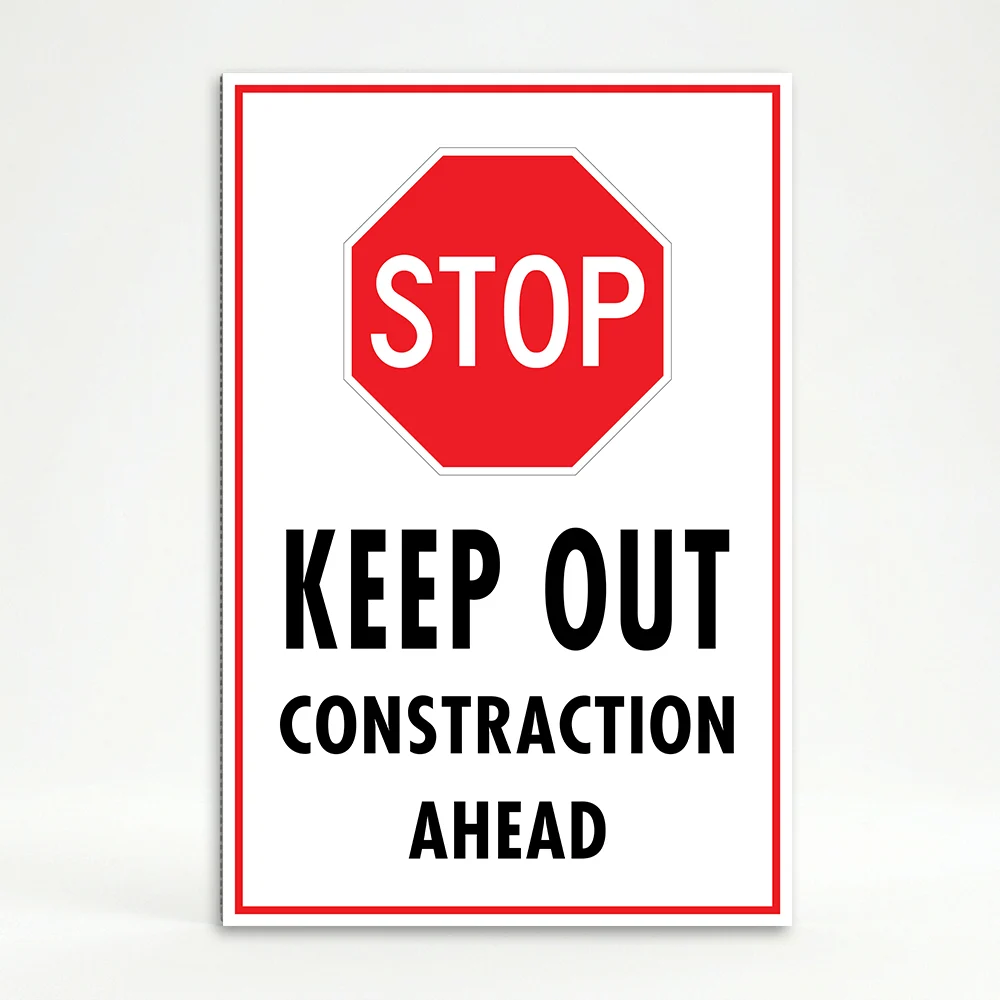
Stop Keep Out Construction Ahead Sign
Price range: $35.00 through $180.00High-visibility warning sign designed to restrict access and alert drivers or pedestrians to construction ahead.
This product has multiple variants. The options may be chosen on the product page
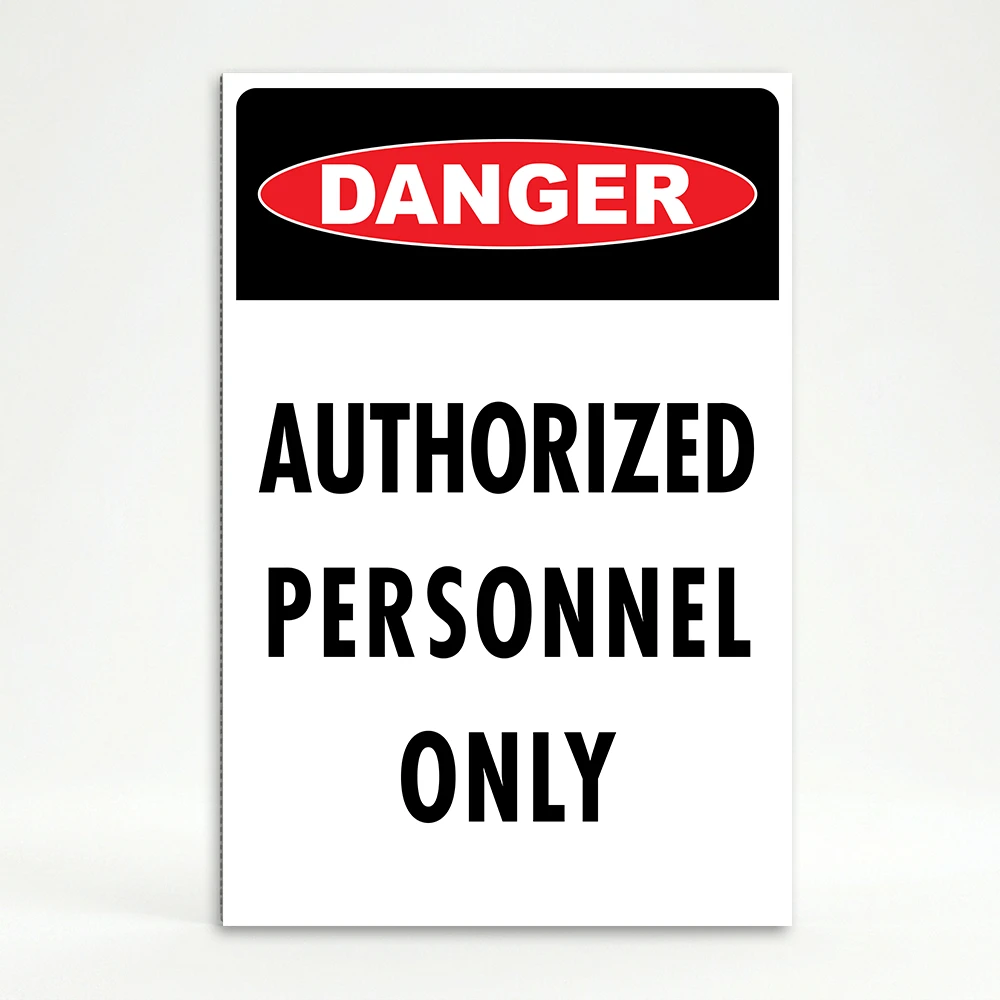
Danger Authorized Personnel Only
Price range: $35.00 through $180.00High-visibility Authorized Personnel Only sign designed for A-frame stand systems to restrict access to controlled or hazardous areas.
This product has multiple variants. The options may be chosen on the product page
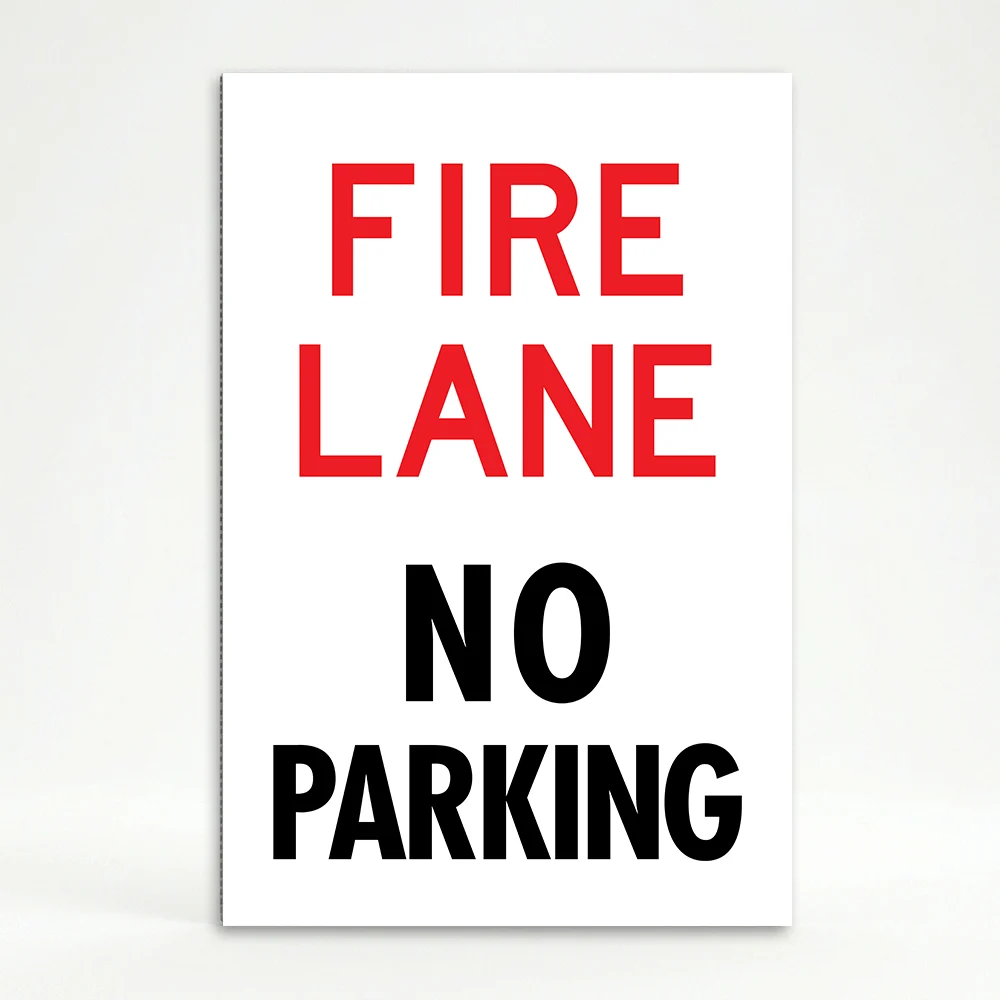
Fire Lane No Parking Sign
Price range: $35.00 through $180.00Clear and high-visibility Fire Lane No Parking sign designed to keep emergency access areas unobstructed.
This product has multiple variants. The options may be chosen on the product page
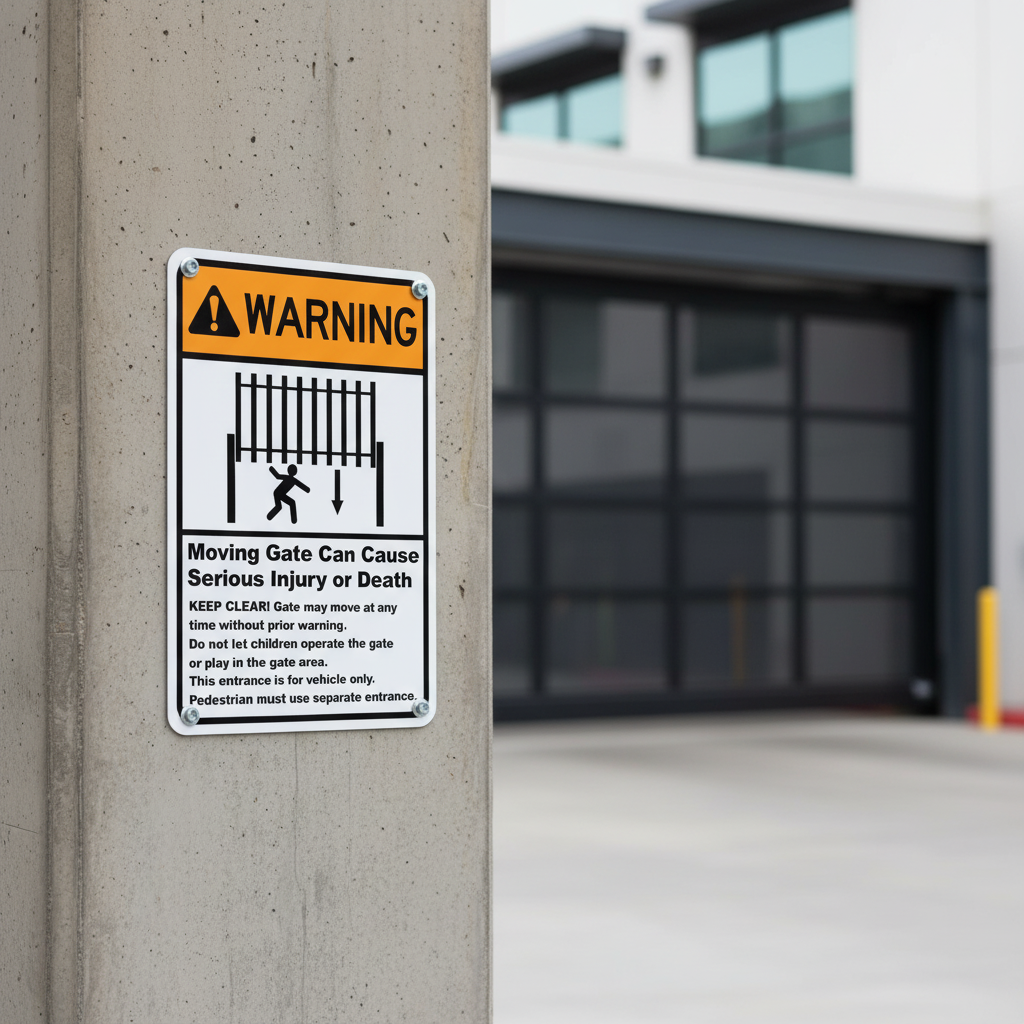
Vertical Moving Gate Safety Warning Sign
Price range: $15.00 through $33.00Warns of vertically moving gates and potential serious injury risks. Used in gated properties, parking facilities, and commercial sites across Los Angeles. Improves safety and prevents accidents in automated gate areas.
This product has multiple variants. The options may be chosen on the product page
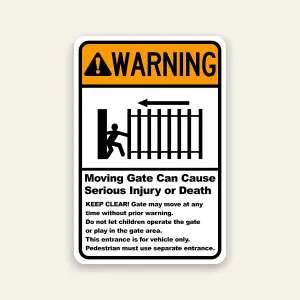
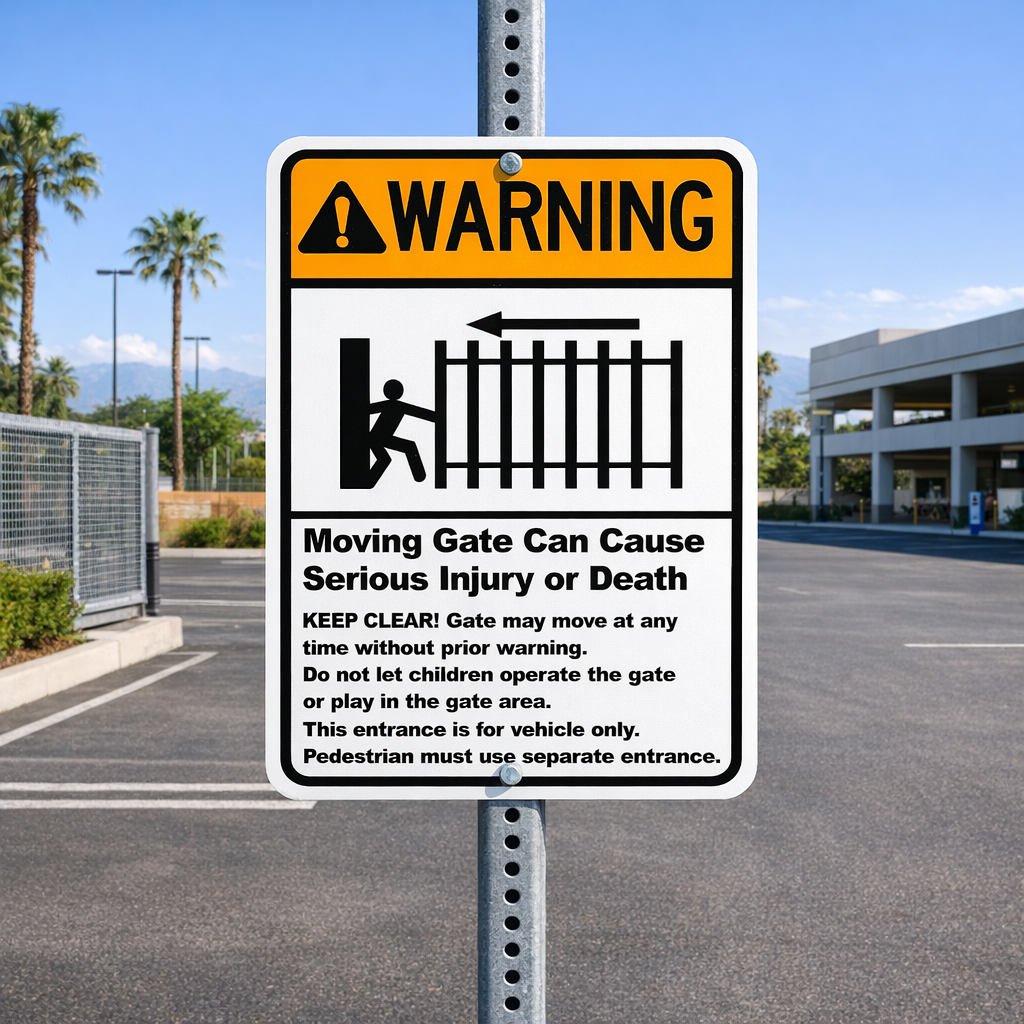
Moving Gate Safety Warning Sign
Price range: $15.00 through $33.00Warns of moving gates and potential serious injury risks. Used in gated properties, parking facilities, and commercial sites across Los Angeles. Improves safety and prevents accidents in automated gate areas.
This product has multiple variants. The options may be chosen on the product page
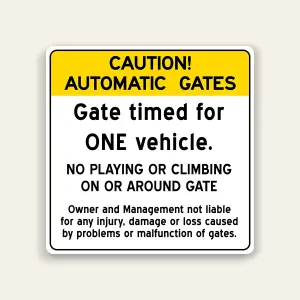
Automatic Gate Safety Notice Sign
Price range: $23.00 through $52.00Provides safety instructions for automatic gates, including single-vehicle timing and restricted use. Ideal for gated communities, parking facilities, and commercial properties across Los Angeles. Helps prevent accidents and misuse.
This product has multiple variants. The options may be chosen on the product page
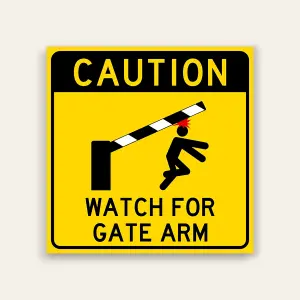
Caution Gate Arm Hazard Sign
Price range: $23.00 through $52.00Warns of moving gate arm hazards to prevent injuries. Ideal for parking facilities, gated communities, and commercial properties across Los Angeles. Enhances safety awareness in high-risk areas.
This product has multiple variants. The options may be chosen on the product page
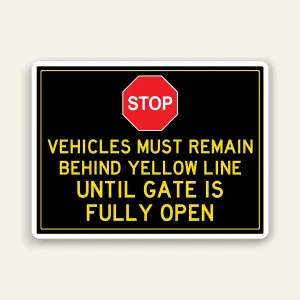
Stop Gate Safety Instruction Sign
Price range: $20.00 through $45.00Instructs drivers to stop and remain behind the line until the gate fully opens. Ideal for gated entries, parking facilities, and secured properties across Los Angeles. Improves traffic control and prevents accidents.
This product has multiple variants. The options may be chosen on the product page
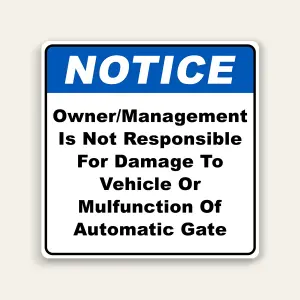
Automatic Gate Liability Notice Sign
Price range: $23.00 through $52.00Clarifies that property owners and management are not responsible for vehicle damage or gate malfunction. Ideal for gated communities, parking facilities, and private properties across Los Angeles. Helps reduce liability risks.